


Hidden Causes of Lower Back Pain You Might Be Ignoring
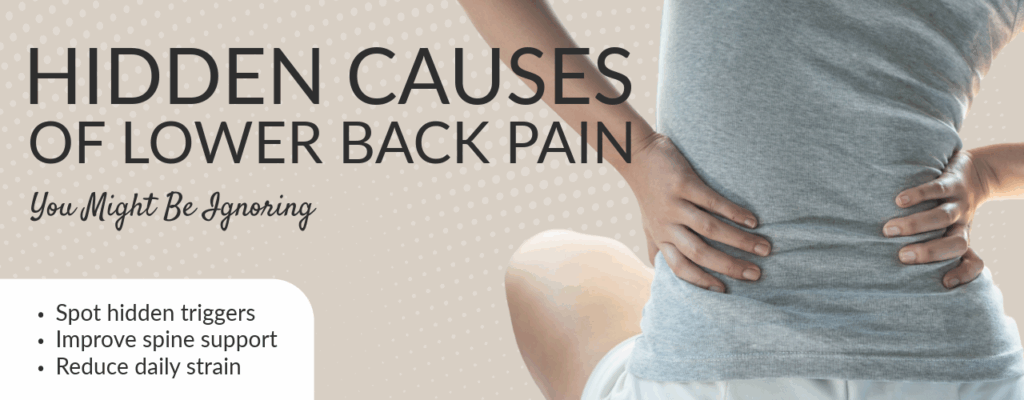
Most people experience back discomfort at some point, but identifying why it happens is not always straightforward. While lifting heavy objects or poor posture can be obvious triggers, there are often less visible factors that contribute to persistent pain. Understanding these hidden lower back pain causes is the first step toward lasting relief. With the right knowledge and care, you can protect your spine, move more comfortably, and reduce your risk of recurring pain.
A Checklist of Overlooked Lower Back Pain Causes
Back pain rarely has a single explanation. Here are several commonly overlooked lower back pain causes that may be affecting your comfort:
Weak core muscles
- Without proper support from the abdominal and hip muscles, the spine absorbs more stress during movement.
Tight hamstrings
- Shortened muscles at the back of the thigh can pull on the pelvis, changing spinal alignment.
Sedentary routines
- Long hours of sitting reduce circulation, weaken muscles, and increase stiffness in the lower back.
Stress and muscle tension
- Emotional stress often shows up as tight muscles, particularly in the back and shoulders.
Improper lifting techniques
- Bending from the waist instead of the knees places extra strain on the spine.
Foot or ankle issues
- Flat feet or poor footwear can alter body mechanics and transfer stress up the kinetic chain to the back.
Repetitive daily habits
- Leaning to one side while sitting, carrying a heavy bag on one shoulder, or twisting awkwardly can create long-term strain.
Limited hip mobility
- When hips do not move well, the back compensates, often leading to irritation.
Old injuries
- Past sprains, strains, or falls may leave weaknesses that resurface over time.
Poor sleep setup
- Unsupportive mattress or awkward sleeping positions can contribute to ongoing discomfort.
A Practical Checklist for Managing Back Health
Physical therapy offers safe, evidence-based ways to address these issues and prevent recurring problems. Use this checklist of strategies that therapists often recommend to manage lower back pain causes and support long-term health:
Strengthen your core
- Target abdominal and hip muscles with guided exercises to improve spinal support.
Stretch regularly
- Gentle stretching for the hamstrings, hips, and lower back relieves tension and restores mobility.
Take movement breaks
- Standing and walking for even a few minutes each hour reduces stiffness from prolonged sitting.
Practice stress relief techniques
- Breathing exercises, relaxation, and mindfulness can ease muscle tension.
Learn proper lifting mechanics
- Bend the knees, keep objects close to the body, and avoid twisting to protect the spine.
Check your footwear
- Supportive shoes or custom orthotics improve alignment and reduce strain on the back.
Train balance and stability
- Exercises that challenge stability strengthen protective muscles around the spine.
Improve hip mobility
- Specific stretches and strengthening exercises for the hips reduce compensatory stress on the back.
Address lingering injuries
- Old injuries benefit from targeted therapy to restore strength and prevent flare-ups.
Evaluate your sleep setup
- A supportive mattress and side or back sleeping positions keep the spine aligned overnight.
Why Early Action Makes a Difference
Ignoring hidden lower back pain causes often leads to worsening discomfort or recurring injuries. The good news is that most contributing factors can be managed with professional guidance and consistent care. Physical therapy not only reduces pain but also teaches strategies to protect your spine during work, exercise, and everyday activities.
Moving Toward Lasting Relief
At Platinum Physical Therapy, we focus on uncovering the root causes of your back pain, not just easing the symptoms. Our therapists use hands-on techniques, targeted exercises, and personalized education to help you restore strength, improve mobility, and move with greater confidence.
Contact Platinum Physical Therapy today to schedule your evaluation and start addressing the hidden lower back pain causes that may be holding you back.